Seconds Matter: Stay Safe at Home

Today we focus on quick response protocols for common home emergencies, turning panic into purposeful action. Learn how to recognize danger in seconds, decide with confidence, and coordinate your household like a practiced team, so minor accidents stay minor and serious crises stabilize fast. Share your questions, tell us which protocol you practiced, and subscribe for ongoing, practical refreshers.

The First Minute Game Plan

When something goes wrong at home, your first sixty seconds shape everything that follows. This simple approach prioritizes scene safety, fast calls, clear roles, and critical checks, letting you act decisively while avoiding risks that turn manageable situations into cascading emergencies.

Fires, Smoke, and Kitchen Flare-Ups

Small flames and thick smoke escalate quickly indoors. Acting fast with the right method prevents injury and catastrophic damage. Know when to smother, when to use an extinguisher, when to shut doors and evacuate, and how to avoid inhalation injuries before help arrives.

Breathing and Choking Emergencies

{{SECTION_SUBTITLE}}

Adult Choking Response
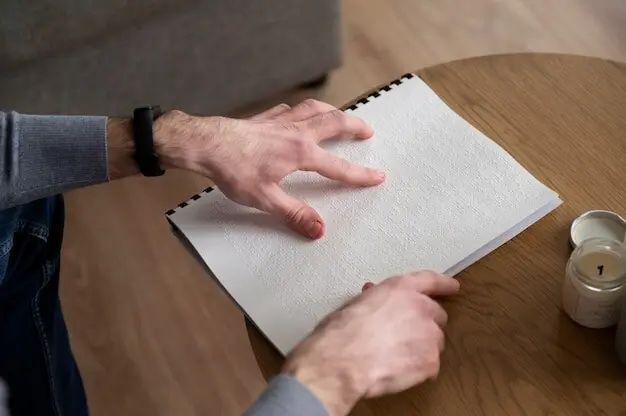
Ask if they can speak. If not, stand behind, place a fist above the navel, and deliver firm upward thrusts until the object clears or they go limp. If collapse occurs, call immediately, begin CPR, and check mouth between compressions for debris.

Infants and Small Children

Support the head and neck, deliver five back blows between the shoulder blades, then turn and give five gentle chest thrusts with two fingers. Repeat cycles, watching for renewed crying or breathing. Keep caregivers coordinated, and call early to summon pediatric-capable responders.

Bleeding, Burns, and Broken Things

{{SECTION_SUBTITLE}}
Bleeding Control Basics

Glove up if possible, press directly on the wound with clean cloth, and elevate if practical. If blood soaks through, add layers without lifting. For life-threatening limb bleeding, apply a commercial tourniquet high and tight, note the time, and seek urgent help.

Burn First Aid That Works

Remove rings and tight items, cool the area under running water for twenty minutes, and cover loosely with nonstick dressing. Do not pop blisters, apply butter, or use ice. Watch for signs of airway involvement, shock, or extensive surface area injuries.

Water, Gas, and Electricity Hazards

Hidden utilities can turn a simple mishap into a severe hazard. Learn how to shut off supplies, create safe distance, and ventilate or isolate rooms quickly. These steps protect your household while trained crews handle leaks, shocks, and flooding that outpace household tools.

Water Leaks and Burst Pipes

Kill power to affected rooms if outlets are wet, turn the main valve clockwise to stop flow, and open low faucets to drain. Move valuables, place buckets, and mark ceiling bulges. Document damage for insurance and call licensed help after immediate hazards subside.

Suspected Gas Leak

If you smell rotten eggs, hear hissing, or see dying plants near lines, do not switch lights, use phones, or strike matches inside. Ventilate by opening doors, evacuate calmly, and call the utility from outdoors or a neighbor’s phone immediately.

Poison, Medications, and Invisible Dangers
Many household exposures look harmless until symptoms escalate. Acting early with the right hotline or antidote guidance makes a major difference. Keep poison control numbers visible, know your products, and gather labels so professionals can tailor instructions without guessing ingredients or doses.

Cleaning Product Splashes

Flush eyes or skin with lukewarm water for at least fifteen minutes while removing contaminated clothing and jewelry. Check the label, avoid neutralizing chemicals, and call for guidance. Note the exact product name and exposure duration to speed precise recommendations from specialists.

Medication Mix-Ups

Gather pill bottles, count remaining doses, and identify what was taken and when. Do not force vomiting. Call poison control or emergency services for weight-based advice. Monitor alertness, breathing, and heart rate, and prepare the medication list for responders upon arrival.

Carbon Monoxide Clues

Headache, nausea, dizziness, and confusion that improve outdoors signal danger inside. Leave immediately, get fresh air, and call for help. Do not reenter until cleared by professionals. Install detectors on every level, test monthly, and replace sensors according to manufacturer guidance.

Storms, Blackouts, Heat and Cold

Weather disrupts homes in predictable ways, but predictable does not mean easy. Prepare for long outages with safe lighting, food safety habits, and backup heating or cooling strategies. Coordinate check-ins with neighbors, especially elders, and practice safe generator placement before you actually need it.

Power Outage Safety

Use flashlights, not candles, to reduce fire risk. Keep refrigerator and freezer closed; track temperatures with simple thermometers. Run generators outdoors far from windows, with exhaust pointed away. Unplug sensitive electronics, and watch for carbon monoxide alarms or unusual pet behavior indicating air quality issues.

Heat Illness at Home

Encourage sips of cool fluids, move to shaded or air-conditioned space, and lower body temperature with fans plus damp cloths. Stop exertion, loosen clothing, and check mental status frequently. Call early for heat stroke signs like confusion, hot dry skin, or collapse.

Cold Exposure Indoors

During winter outages, gather in one room, seal drafts, and insulate with blankets and layered clothing. Warm the core first using warm drinks if awake and safe. Avoid open-flame heaters inside, and monitor for shivering, slurred speech, or fumbling that signal escalating hypothermia.

Family Drills, Kits, and Smart Tools

Confidence grows from repetition and preparation. Short, realistic practices teach muscle memory, while organized kits place lifesaving tools within arm’s reach. Combine checklists with smartphone features, medical IDs, and neighborhood networks so your household reacts cohesively, shares updates, and recovers faster after frightening surprises.
Siratemizori
Privacy Overview

This website uses cookies so that we can provide you with the best user experience possible. Cookie information is stored in your browser and performs functions such as recognising you when you return to our website and helping our team to understand which sections of the website you find most interesting and useful.